Categories
Window Tinting and Film

Is Window Insulation Film a Good Investment for Energy Savings

In the quest for energy efficiency and cost savings, homeowners often overlook one crucial element: windows. Windows are a vital part of any home, but they can also be a major source of energy loss. If you’re looking for a way to reduce your energy bills and make your home more comfortable, window insulation film might just be the solution you need.

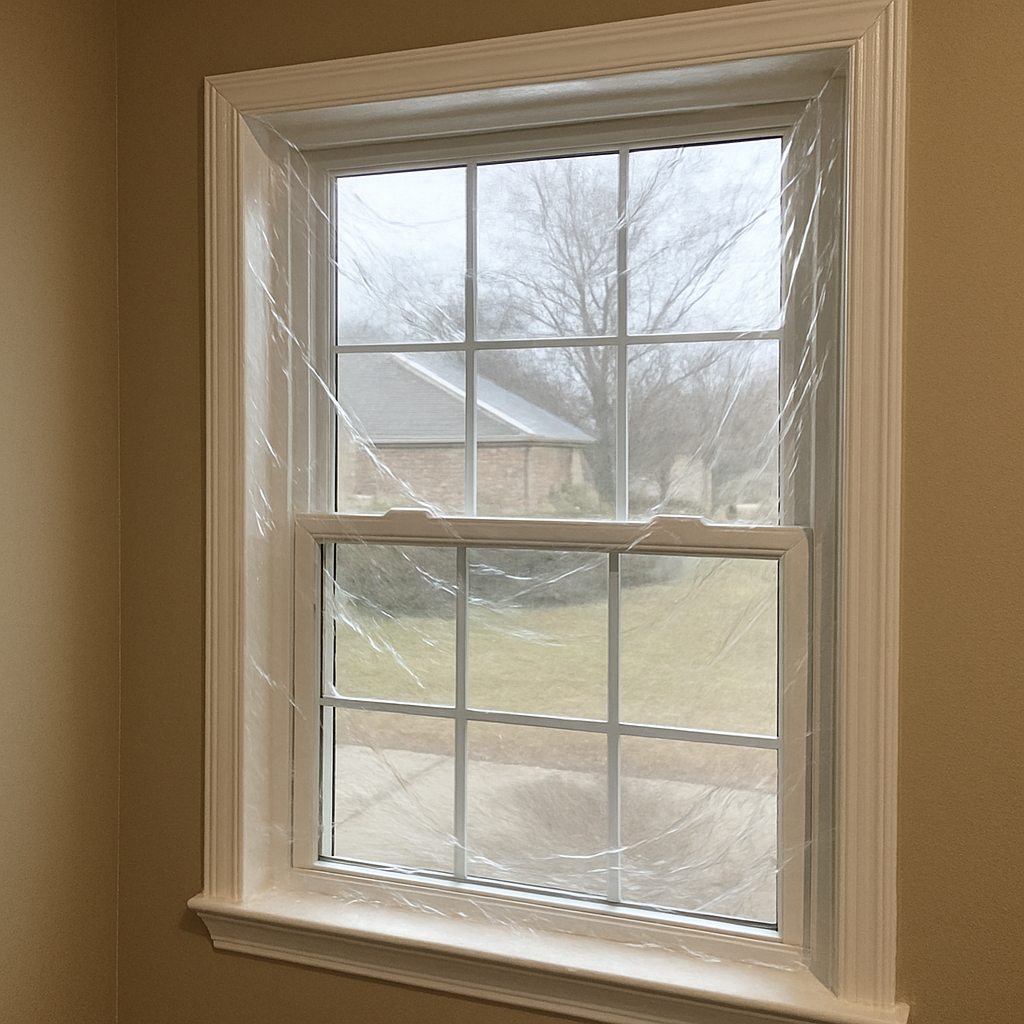
Home with window insulation film

Understanding Window Insulation Film

Window insulation film is a thin layer of plastic applied to the interior or exterior of your windows. It’s designed to reduce heat transfer, keep your home cooler in the summer, and warmer in the winter. The film works by reflecting heat back into the room or preventing it from entering, depending on the season.

How Does It Work?

The science behind window insulation film is simple yet effective. The film reflects infrared light, which is responsible for heat. During the winter, the film helps retain heat within your home, while in the summer, it reflects heat away, keeping your space cooler. This dual action helps maintain a consistent indoor temperature, reducing the need for excessive heating or cooling.
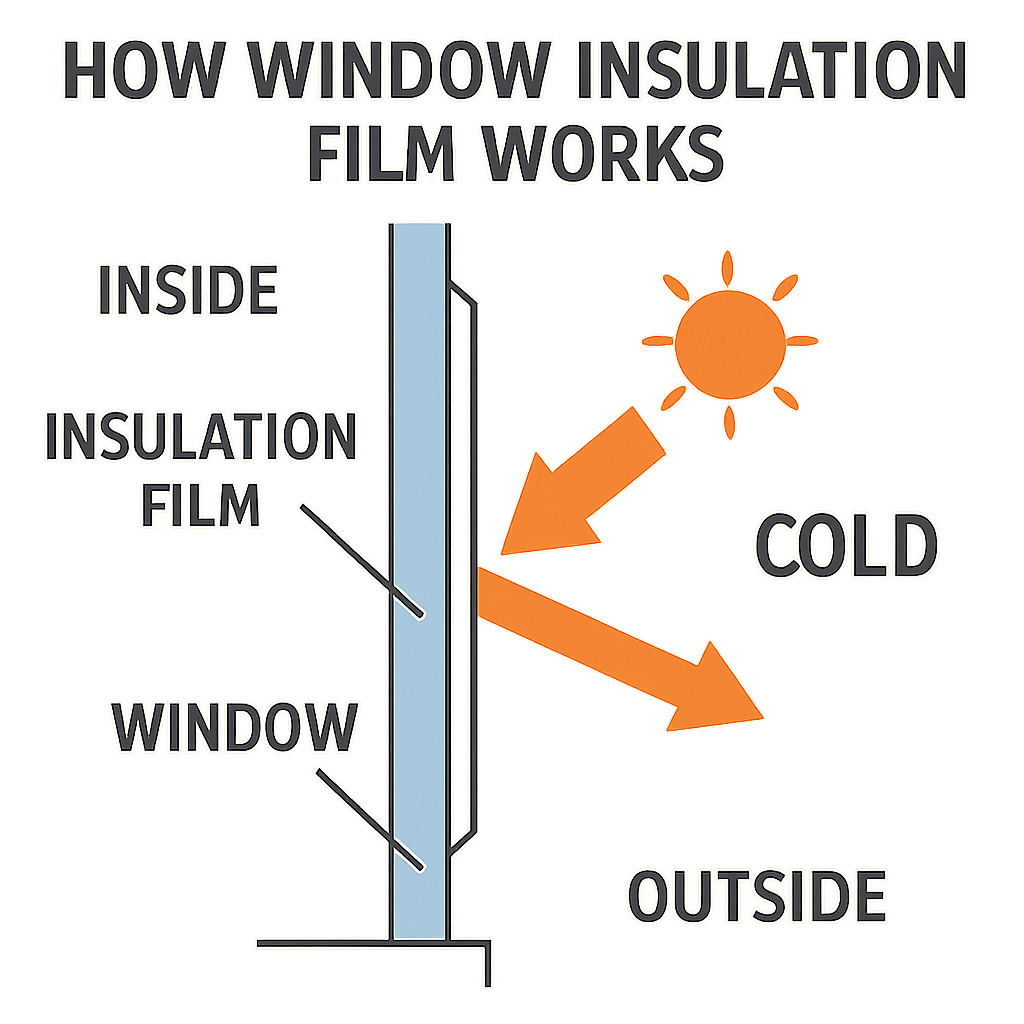
Diagram of how window insulation film works

Benefits of Window Insulation Film

The advantages of window insulation film are numerous, ranging from energy savings to improved comfort and aesthetics.

Energy Efficiency and Cost Savings

One of the primary benefits of window insulation film is its ability to reduce energy consumption. By minimizing heat transfer, your HVAC system doesn’t have to work as hard, leading to lower energy bills. Studies suggest that window film can help reduce energy costs by up to 30%. This makes it a cost-effective solution for homeowners looking to save money while reducing their carbon footprint.

Enhanced Comfort

Window insulation film not only cuts energy costs but also enhances the overall comfort of your living space. By preventing drafts and maintaining a stable indoor temperature, you eliminate cold spots and overheated areas. This consistent environment allows for a more comfortable living experience year-round.

Protection from UV Rays

In addition to energy savings, window film provides protection from harmful UV rays. Prolonged exposure to UV rays can cause fading of furniture, carpets, and artwork. By blocking up to 99% of UV rays, window film helps preserve your interior decor, extending the life of your possessions.

Aesthetic Appeal

Window insulation film is available in various styles and tints, allowing you to customize the appearance of your windows. Whether you prefer a clear, nearly invisible film or a tinted version for added privacy, there are options to suit every taste and design preference.

Different styles of window film samples

by ayumi kubo (https://unsplash.com/@ayumikubo)

Installation Process

Installing window insulation film is a straightforward process, but it requires precision to achieve the best results. Here’s a step-by-step guide to help you understand what to expect.

Preparation

Before installation, it’s crucial to clean the windows thoroughly. Any dirt or debris can interfere with the adhesive and affect the film’s performance. Once the windows are clean, measure and cut the film to fit each pane.

Application

Applying the film involves carefully aligning it with the window pane and using a squeegee to remove any air bubbles. The film’s adhesive backing ensures a secure attachment to the glass.

Curing Time

After installation, the film needs time to cure fully. During this period, avoid cleaning the windows or disturbing the film to ensure a smooth finish.

Is Window Insulation Film Worth the Investment?

The decision to invest in window insulation film ultimately depends on your specific needs and goals. However, for many homeowners, the benefits far outweigh the costs.

Cost Considerations

While the initial cost of window film installation can vary, it is generally affordable, especially when compared to window replacement. The long-term savings on energy bills and the extended lifespan of your interior furnishings add significant value to this investment.

Environmental Impact

Choosing window insulation film also supports eco-friendly living by reducing energy consumption. By lowering your reliance on heating and cooling systems, you contribute to a decrease in greenhouse gas emissions, promoting a more sustainable future.

Versatility and Convenience

Window film is a versatile solution that can be applied to virtually any window, regardless of size or shape. Its ease of installation and maintenance further add to its appeal as a convenient home improvement option.

Conclusion

Window insulation film is a practical, cost-effective solution for enhancing energy efficiency and comfort in your home. With its ability to reduce energy bills, protect your interior from UV damage, and offer customizable aesthetic options, it’s a worthy investment for homeowners seeking to improve their living spaces.

If you’re ready to take the next step in energy savings and home improvement, consider installing window insulation film. Not only will you enjoy a more comfortable environment, but you’ll also benefit from long-term cost savings and an eco-friendly lifestyle.

Categories
Window Tinting and Film

What Are Window Films and How Do They Improve Indoor Living

Window films are a versatile and innovative home improvement solution designed to enhance the comfort, efficiency, and aesthetics of indoor spaces. As a seasoned expert in window film installations, I’m here to guide you through understanding how these films can transform your home environment.

Window films are thin layers of polyester or vinyl that are applied to the interior surface of glass windows. They serve multiple purposes, ranging from enhancing privacy to reducing glare and improving energy efficiency. These films come in a variety of styles, colors, and textures, allowing you to choose options that best suit your aesthetic and functional needs.

Window film installation process

Benefits of Window Films

Energy Efficiency

One of the most significant advantages of window films is their ability to improve energy efficiency. By blocking out a portion of the sun’s heat, window films help maintain a consistent indoor temperature, reducing the need for air conditioning during hot weather. This can lead to noticeable savings on energy bills, making window films an eco-friendly choice.

UV Protection

Window films are designed to filter out harmful UV rays, which are known to cause fading of furniture, flooring, and artwork. By protecting your home’s interior from UV damage, window films help preserve the longevity and appearance of your belongings, ensuring your home remains vibrant and welcoming.

Enhancing Privacy and Security

Window films also offer improved privacy by obscuring the view from outside while maintaining clear visibility from the inside. This makes them an ideal choice for rooms that require a higher level of privacy without compromising on natural light. Additionally, some window films are designed to reinforce glass, providing an extra layer of security against break-ins or accidents.

Privacy window films in a modern home

by Eastman Childs (https://unsplash.com/@eternalseconds)

Aesthetic Appeal

Beyond their functional benefits, window films also enhance the aesthetic appeal of your living space. With a wide array of patterns, frosts, and tints available, you can customize your windows to complement your interior design style. Whether you prefer a sleek, modern look or a more traditional appearance, there’s a window film to match your vision.

Choosing the Right Window Film

When selecting window films, it’s essential to consider both your functional needs and design preferences. Collaborating with a professional installer can help ensure you choose the right film for your specific requirements. An expert will assess your windows, discuss your goals, and recommend the most suitable options, ensuring a seamless and effective installation.

Conclusion

Window films are a cost-effective and stylish solution for enhancing indoor living. By improving energy efficiency, protecting against UV damage, enhancing privacy, and adding aesthetic value, window films offer a comprehensive upgrade to any home. If you’re looking to enhance the comfort and appeal of your living space, consider exploring the world of window films as a transformative home improvement option.

For more information or to schedule a consultation, feel free to reach out. Let us help you find the perfect window solution for your home.“`

Categories
Window Tinting and Film

Top Industry Insights on Window Protection Film

Homeowners and interior designers are increasingly turning to window protection films as a versatile solution to improve the aesthetics, privacy, and energy efficiency of living spaces. As an expert in window film installations, I aim to provide you with the top industry insights into this innovative product. Whether you’re seeking to enhance privacy, reduce energy costs, or simply add a touch of style to your home, window protection films offer a range of benefits tailored to meet diverse needs.

close-up of window film installation

Window protection films, often referred to as window tinting, are thin layers of material applied to glass surfaces. These films serve multiple purposes, from reducing glare and heat to enhancing privacy and adding decorative elements. They are available in various styles and finishes, allowing you to customize the look and functionality of your windows.

The Evolution of Window Films

The concept of window tinting has evolved significantly over the years. Initially used primarily for automotive applications, window films have found a prominent place in residential and commercial settings. Advances in technology have led to the development of films that offer improved durability, UV protection, and aesthetic appeal.

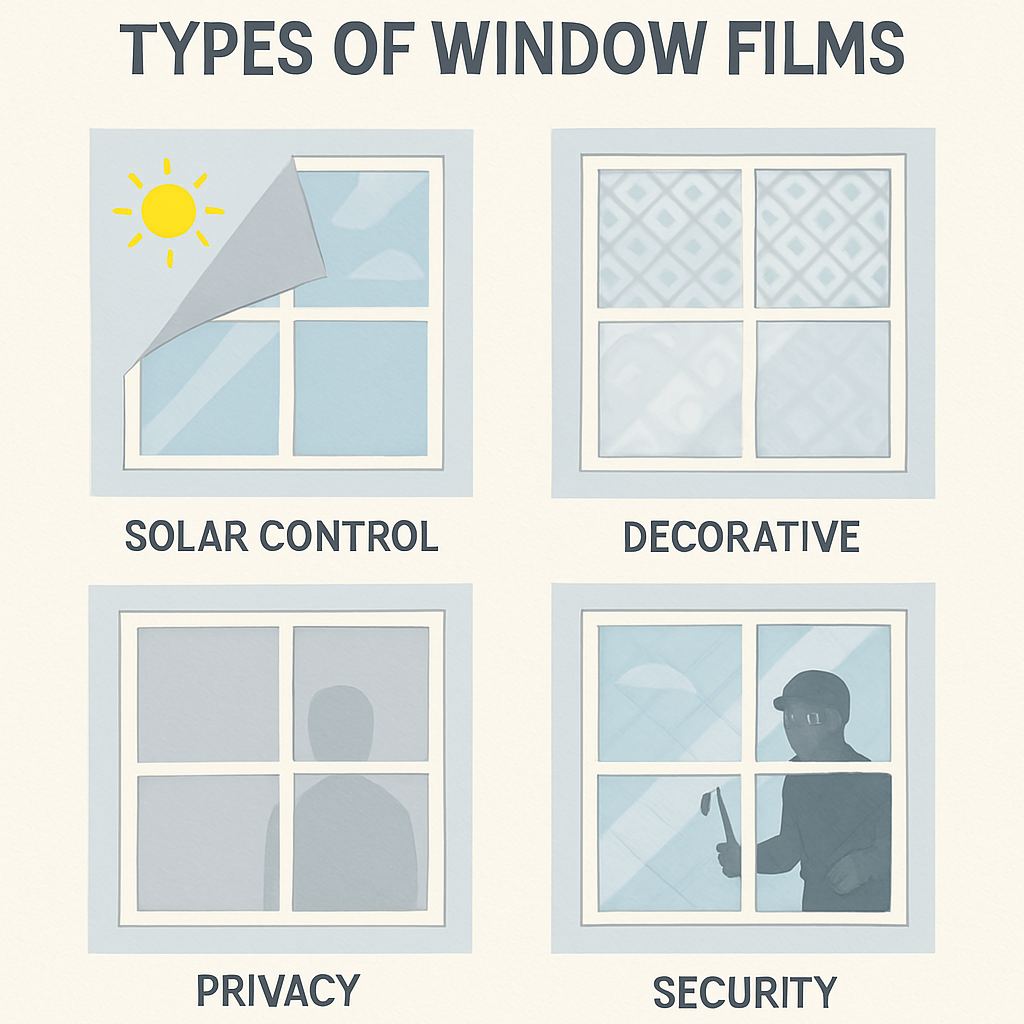
Types of Window Protection Films

  1. Solar Control Films: These films are designed to block harmful UV rays and reduce heat gain, making them an ideal choice for energy-conscious homeowners. By minimizing solar heat, these films contribute to lower energy bills and enhanced comfort.
  2. Privacy Window Films: Perfect for spaces where privacy is a concern, such as bathrooms or street-facing windows. These films obscure the view from the outside while allowing natural light to filter through.
  3. Decorative Films: Available in a wide range of patterns and designs, decorative films add a touch of elegance to any room. They offer a cost-effective way to replicate the appearance of frosted or etched glass.
  4. Security Films: These films reinforce glass strength, providing an added layer of protection against break-ins and accidents. They are often used in areas prone to extreme weather conditions.

Benefits of Window Protection Films

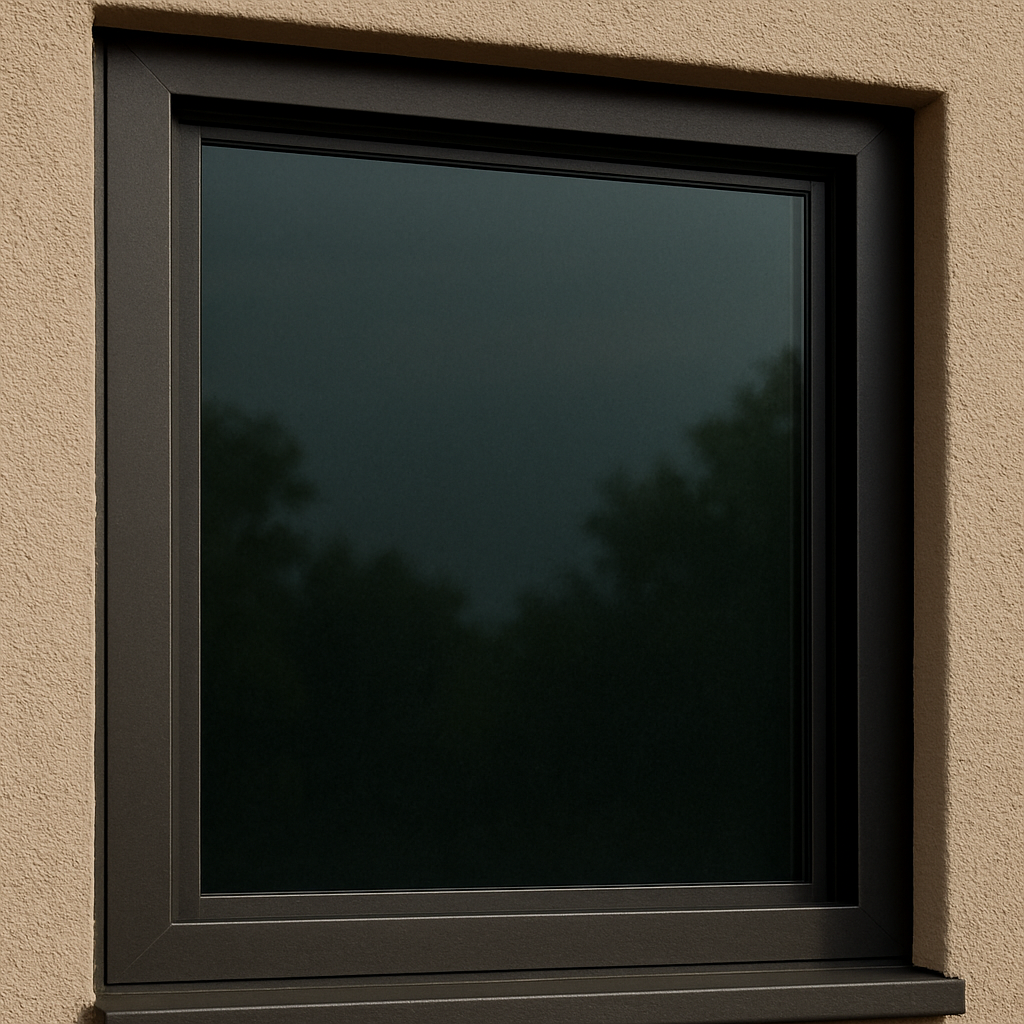
living room with tinted windows

Energy Efficiency

One of the most significant advantages of window protection films is their ability to enhance energy efficiency. By reducing heat gain in the summer and heat loss in the winter, these films help maintain a comfortable indoor temperature year-round. This not only lowers energy consumption but also reduces the strain on HVAC systems, leading to cost savings.

Enhanced Privacy

Privacy window films are an excellent solution for maintaining confidentiality without sacrificing natural light. Whether you live in a bustling neighborhood or have windows facing public areas, these films offer peace of mind by preventing outsiders from peering in.

UV Protection

Prolonged exposure to UV rays can cause fading of furniture, flooring, and artwork. Window protection films provide a barrier against harmful UV radiation, preserving the longevity and vibrancy of your interior decor.

Aesthetic Appeal

Decorative window films offer endless possibilities for enhancing the visual appeal of your home. From intricate patterns to minimalist designs, these films allow you to express your personal style while complementing your existing interior design.

Improved Safety and Security

Security films add an extra layer of protection to your windows, making them more resistant to shattering. In the event of an attempted break-in or severe weather, these films hold shattered glass in place, reducing the risk of injury and property damage.

Installation Process

professional installing window film

by william f. santos (https://unsplash.com/@youwwwill)

The installation of window protection film is a precise process that requires expertise and attention to detail. Here’s a brief overview of what to expect:

Surface Preparation

Before installation, the glass surface must be thoroughly cleaned to ensure proper adhesion. Any dust, grease, or debris can affect the performance and longevity of the film.

Film Application

The film is carefully cut to size and applied to the glass using a special adhesive. Professional installers use tools like squeegees to remove air bubbles and ensure a smooth, even finish.

Curing Time

After installation, the film requires a curing period to fully adhere to the glass. During this time, it’s important to avoid cleaning the windows or disturbing the film.

Choosing the Right Film for Your Needs

When selecting window protection films, consider the specific needs of your space. Factors such as climate, privacy concerns, and aesthetic preferences should guide your decision-making process. Consulting with a professional installer can provide valuable insights and recommendations tailored to your unique requirements.

Cost Considerations

While the initial investment in window protection film may vary based on the type and brand, the long-term savings on energy bills and the added value to your home make it a worthwhile investment. Additionally, many window films come with warranties, offering peace of mind regarding durability and performance.

Conclusion

Window protection films are a versatile and effective solution for enhancing the comfort, privacy, and aesthetics of your home. Whether you’re an interior designer looking to provide clients with eco-friendly options or a homeowner seeking innovative solutions, window films offer numerous benefits that cater to a wide range of needs.

By understanding the different types of films available and their respective advantages, you can make informed decisions that align with your goals. Partnering with a professional installer ensures a flawless application, maximizing the performance and longevity of your window protection film.

Embrace the possibilities that window tinting and protection films offer, and transform your living space into a stylish, energy-efficient, and secure haven. For more information and personalized guidance, reach out to a trusted window film specialist today.

Categories
Window Tinting and Film

Proper Cleaning Techniques for Tinted Windows at Home

Tinted windows are an excellent addition to any home, providing privacy, reducing glare, and improving energy efficiency. However, maintaining their pristine condition requires proper cleaning techniques to ensure they remain effective and visually appealing. Neglecting their maintenance can lead to unsightly streaks, scratches, or even damage to the tint film itself. In this article, we will explore the best practices for cleaning tinted windows, offering practical window cleaning tips and methods that you can implement easily at home.

Understanding the nuances of tinted windows is crucial before embarking on the cleaning process. This will not only preserve their aesthetic appeal but also extend their functional lifespan. An informed approach to cleaning can prevent common issues such as peeling or discoloration, ensuring that your investment continues to provide benefits for years to come.

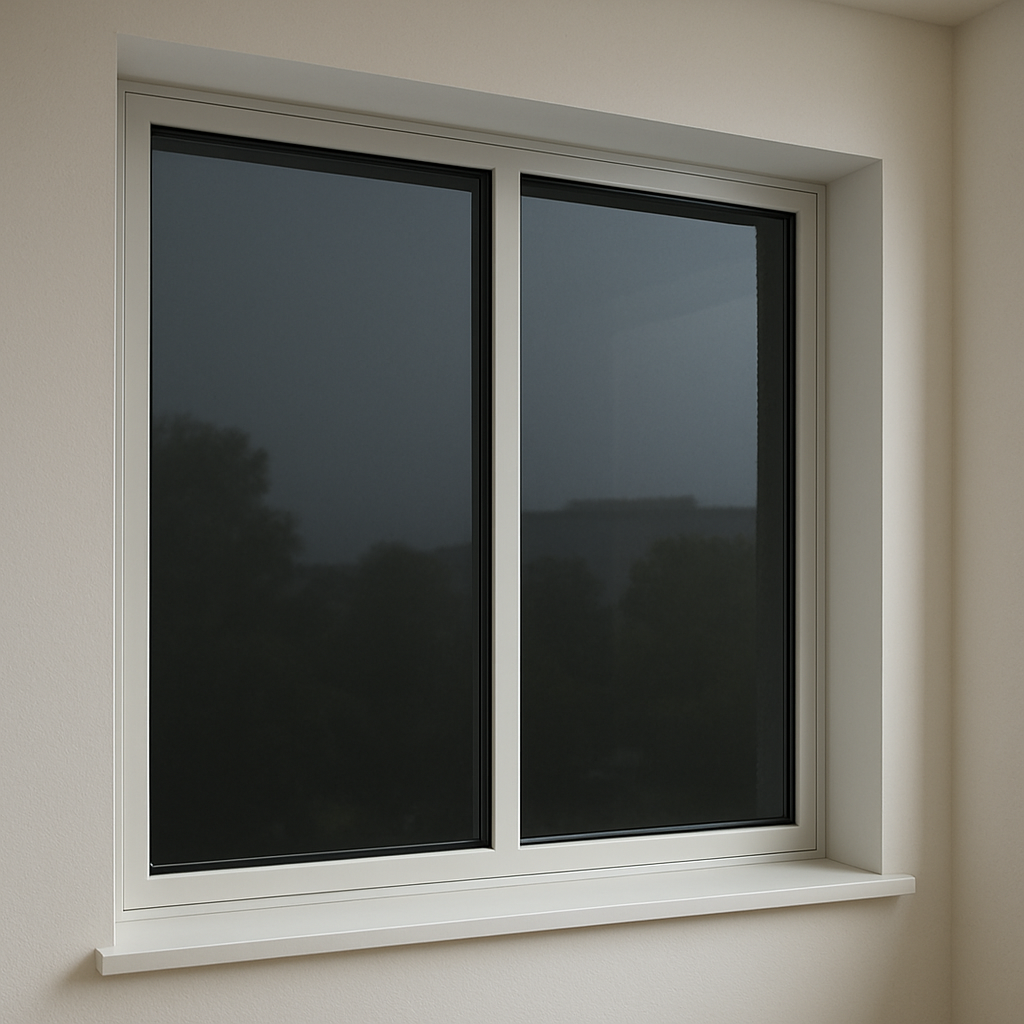
Tinted windows with a clear sky background

Before diving into cleaning techniques, it’s important to understand what tinted windows are and how they work. Tinted windows have a thin film applied to the glass surface, which reduces the amount of sunlight and UV rays entering a room. This film can be made from various materials and can vary in thickness and color, affecting both its appearance and functionality. The variety in materials and shades allows homeowners to choose tints that best suit their needs, whether for aesthetic purposes or specific functional benefits.

The film’s composition is designed to be durable, yet it requires careful handling during cleaning to avoid compromising its integrity. Different tint films may react differently to cleaning solutions, making it vital to follow recommended cleaning practices. Understanding the type of tint installed in your home can guide you in selecting the appropriate cleaning methods and solutions, ensuring longevity and effectiveness.

Benefits of Tinted Windows

Tinted windows offer several advantages:

  • Energy Efficiency: By blocking out a portion of the sun’s rays, tinted windows help regulate indoor temperatures, reducing the need for air conditioning and lowering energy bills. This contributes to a more sustainable living environment, as it minimizes energy consumption and reduces your carbon footprint. In regions with extreme temperatures, this can lead to significant cost savings over time.
  • Privacy: Tinted windows provide an added layer of privacy by making it difficult for outsiders to see inside your home. This is particularly beneficial for homes located in busy neighborhoods or urban areas, where privacy can be a concern. The added privacy can also enhance the feeling of security, making it a desirable feature for many homeowners.
  • Protection: They help protect your furniture, flooring, and other interior items from fading due to sun exposure. This protective quality extends the life of your furnishings and reduces the frequency of replacements. Moreover, by filtering out harmful UV rays, tinted windows contribute to a healthier living environment, reducing the risks associated with prolonged UV exposure.

Given these benefits, it’s crucial to maintain tinted windows properly to prolong their lifespan and effectiveness. Regular maintenance not only preserves these advantages but also enhances the overall aesthetic and functional value of your home.

Essential Window Cleaning Tips

Cleaning materials and a window in the background

Cleaning tinted windows requires a gentle approach to avoid damaging the film. Here are some essential tips to keep in mind when embarking on this task:

Use the Right Cleaning Solution

Avoid using harsh chemicals or ammonia-based cleaners, as these can damage the tint film. Instead, opt for a mild, non-abrasive cleaning solution. A mixture of water and a few drops of dish soap is usually sufficient. For stubborn spots, consider adding a small amount of vinegar to the mix. It’s important to always dilute any cleaning agent with water to minimize the risk of leaving residues that could affect the tint film.

When choosing a cleaning solution, consider its pH level as well. Neutral pH solutions are generally safer for tinted films, as they prevent potential chemical reactions that could lead to discoloration or peeling. Always check product labels for compatibility with window tints to avoid unintended damage.

Gather the Right Tools

To clean tinted windows effectively, you’ll need the following tools:

  • Microfiber Cloths: These are gentle on surfaces and help prevent scratches. Their soft texture ensures that the tint film remains intact during cleaning, providing a safe way to wipe away dirt and grime.
  • Squeegee: A rubber-bladed squeegee helps remove excess water without leaving streaks. The squeegee’s design allows for efficient water removal, reducing the chances of water spots and ensuring a clear, streak-free finish.
  • Spray Bottle: Use this to apply your cleaning solution evenly. An adjustable nozzle can help control the spray pattern, making it easier to cover the window surface without over-saturating it.

Test a Small Area First

Before cleaning the entire window, test your cleaning solution on a small, inconspicuous area to ensure it doesn’t cause any damage or discoloration to the tint film. This step is crucial as it helps you identify any adverse reactions before they affect the entire window. If the test area shows any signs of damage, it’s best to reconsider the cleaning solution or method being used.

Conducting a spot test also allows you to adjust your cleaning approach as needed, ensuring that the entire window cleaning process is both safe and effective. By taking this precautionary step, you can avoid costly repairs or replacements in the future.

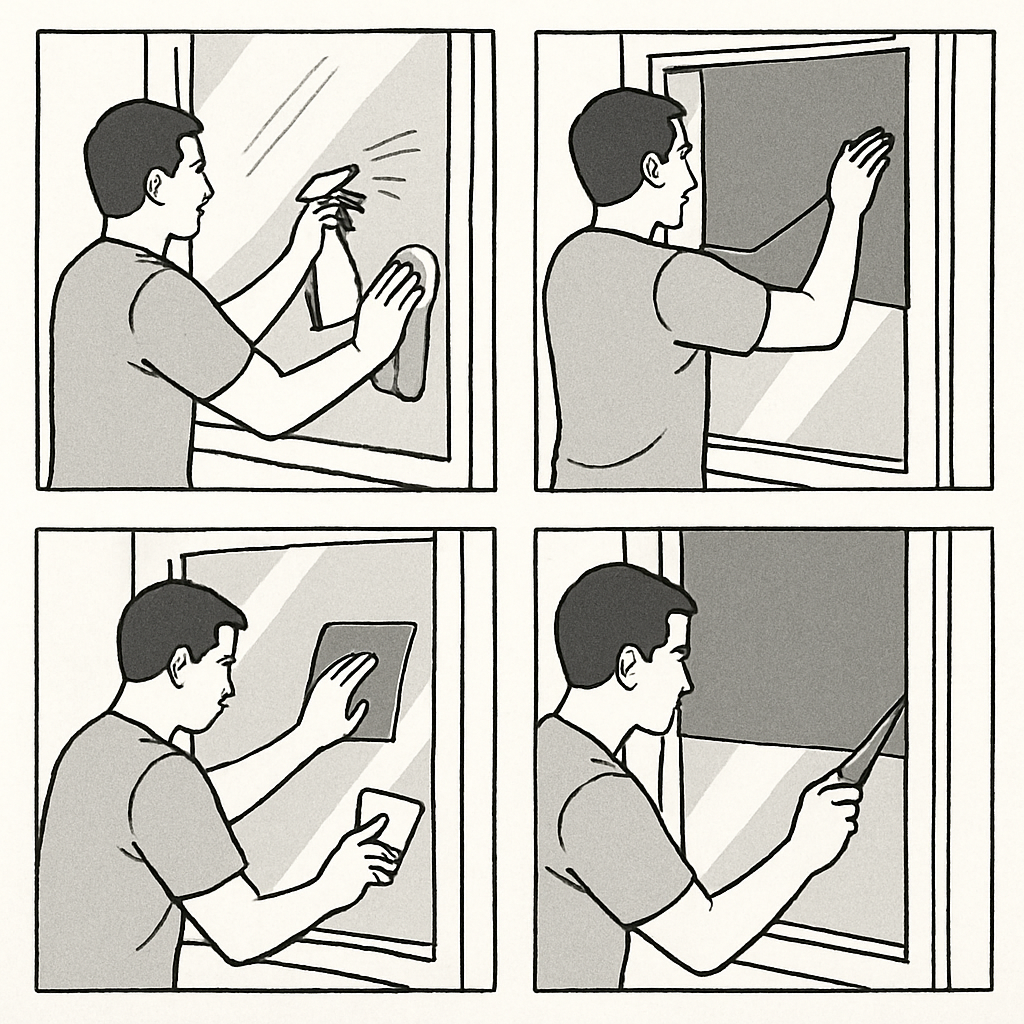
Step-by-Step Cleaning Process

Person cleaning a window with a microfiber cloth

by Humphrey M (https://unsplash.com/@good_citizen)

Follow these steps to clean your tinted windows safely and effectively:

Step 1: Dust and Remove Loose Dirt

Begin by dusting the window surface with a dry microfiber cloth. This removes loose dirt and dust particles, preventing them from scratching the tint film during the cleaning process. Dusting first ensures that subsequent cleaning steps are more effective, as it eliminates surface debris that can hinder thorough cleaning.

Regular dusting is also a good practice to incorporate into your routine maintenance schedule. It minimizes the buildup of dirt over time, making each deep cleaning session more manageable and effective.

Step 2: Apply the Cleaning Solution

Spray your cleaning solution onto the window surface. Be sure to cover the entire area evenly, but avoid soaking the window, as excessive moisture can seep under the film and cause it to peel. Light, even spraying is key to effective cleaning without damaging the tint film.

Applying the solution in sections can help you manage the cleaning process more efficiently, allowing you to focus on one area at a time and ensuring thorough coverage and cleaning. This approach also reduces the risk of the solution drying too quickly, which can lead to streaks.

Step 3: Wipe with a Microfiber Cloth

Using a clean microfiber cloth, gently wipe the window in a circular motion to remove dirt and grime. Start at the top and work your way down, ensuring even coverage and preventing streaks. The circular motion helps lift dirt effectively without applying excessive pressure that could damage the film.

Changing cloths frequently or using different sides of the cloth can prevent reapplying dirt to the window, which is essential for achieving a spotless finish. Keeping your cloths clean and dry helps maintain their effectiveness throughout the cleaning process.

Step 4: Squeegee the Window

Use a squeegee to remove excess water and cleaning solution. Start at the top corner and drag the squeegee down in a straight line, wiping the blade with a clean cloth after each pass. This helps avoid streaks and ensures a clear finish. The squeegee technique is crucial for achieving a professional-looking result, as it effectively removes liquid without leaving marks.

For larger windows, working in sections can help manage the cleaning process more effectively, ensuring that each part of the window is thoroughly cleaned and dried. Consistency in squeegee technique helps maintain an even, streak-free appearance across the entire window.

Step 5: Dry and Buff

Once you’ve removed the excess solution, use a dry microfiber cloth to buff the window to a shine. This final step enhances the clarity of the glass and ensures no streaks or smudges are left behind. Buffing also helps to remove any remaining moisture, which can prevent potential damage to the tint film.

Buffing the window not only polishes the surface but also reveals any missed spots that may require additional attention. This attention to detail ensures a flawless finish, enhancing the overall appearance and functionality of your tinted windows.

Additional Tips for Maintaining Tinted Windows

Regular Cleaning Schedule

Establish a regular cleaning schedule to maintain the appearance and functionality of your tinted windows. Depending on your location and environmental factors, cleaning every two to four weeks is typically sufficient. Regular cleaning prevents the buildup of dirt and grime, which can compromise the tint film over time.

Consistency in your cleaning routine also makes each cleaning session more efficient, as less dirt accumulation means less effort is required to achieve a pristine finish. Adapting your schedule to seasonal changes can further optimize your cleaning efforts, addressing specific challenges such as pollen or salt buildup.

Be Mindful of Weather Conditions

Avoid cleaning windows on hot, sunny days, as the cleaning solution can dry too quickly, causing streaks. Instead, choose a cloudy day or clean in the early morning or late afternoon when temperatures are cooler. This timing ensures that the cleaning solution remains effective, allowing for thorough cleaning without the risk of quick evaporation.

Weather considerations are especially important in regions with extreme temperatures, where cleaning conditions can significantly impact the quality of the results. Adjusting your cleaning schedule to align with favorable weather conditions can enhance the effectiveness and efficiency of your cleaning efforts.

Address Stubborn Stains Promptly

If you notice any stubborn stains or marks on your tinted windows, address them promptly to prevent permanent damage. Use a gentle cleaner and a soft cloth to target these areas, and avoid using abrasive scrubbing pads. Prompt attention to stains prevents them from setting into the tint film, preserving the window’s appearance and functionality.

For particularly challenging stains, consider consulting a professional window cleaner to avoid causing damage through DIY efforts. Professional services can provide specialized solutions and techniques to address tough stains without compromising the integrity of the tint film.

Regular Inspection

Periodically inspect your tinted windows for any signs of wear or damage. Look for bubbling, peeling, or discoloration, and address these issues promptly to prevent further damage. Regular inspections help identify potential problems early, allowing for timely repairs or interventions.

Maintaining a record of inspections and any maintenance performed can be beneficial, helping you track the condition of your windows over time. This proactive approach ensures that any issues are addressed before they escalate, preserving the value and functionality of your tinted windows.

Conclusion

Tinted windows are a valuable addition to any home, offering numerous benefits such as energy efficiency, privacy, and protection from UV rays. By following the proper cleaning techniques outlined in this article, you can maintain the beauty and functionality of your tinted windows, ensuring they continue to enhance your living space. Consistent care and attention will not only preserve their effectiveness but also extend their lifespan.

Remember, the key to cleaning tinted windows is using gentle, non-abrasive methods and solutions. With regular maintenance and care, your tinted windows will remain a stylish and practical feature of your home for years to come. By investing in their upkeep, you ensure that they continue to provide comfort, protection, and aesthetic appeal to your living environment.

::contentReference[oaicite:0]{index=0}

Categories
Derma Roller

How To Keep Your Skin In Excellent Condition Even In Colder Months

For those of us in the north who have to deal with the colder months throughout the year, it’s challenging for many reasons including being tough on our delicate skin. When the temperatures are warm outside, your skin is easier to keep in good shape, but when the cold moves in for a few months there is certainly more work to put in towards maintaining your skin’s good condition.

Below, we outline a few things to keep in mind to ensure that your skin’s status is nice all throughout the year, even in the Fall and Winter months.

Closely Observe Your Skin

Always be in tune with your skin and understand how it changes and tries to adapt when the temperature starts to dip. More than likely your skin will dry out more and more according to the temperature, it will crack if it gets too dry – especially on the hands around the knuckles, and flakes of skin may fall off as well. We offer some advice below to help keep your skin looking and feeling good, even in the cool and cold months.

Use Less-Drying Cleansers

When the temperature drops so does the moisture in the air and that affects your skin immensely. You want a cleanser in the warmer months that provides more of a drying effect on your skin to remove excess oil, but it’s the opposite in the cooler months where you want to go with a cleanser that has less drying ingredients and one that leaves your skin more moisturized – especially on your face where wrinkles and fine lines can more easily pop up when the air is drier.

Your Moisturizer Is Crucial

In the cooler months, you will want a rich collagen cream moisturizer that helps to add extra moisture to your skin with the lack of moisture in the air. Or you can also stay with your usual moisturizer product or products but just use more than you usually would when it’s cooler outside. You may want to moisturize more than you usually do throughout the day as well if your skin needs more than just one session after a shower for example. Listen to your skin and it will visually communicate what it needs.

Fire Up a Humidifier

If your home has very dry and stale air it’s recommended that you buy a humidifier and add moisture to the air. It will help your skin stay more hydrated and it will put less pressure on you to maintain a strict skin care program.

Consistently Exfoliate

Your skin can look dull and bland during the winter months with less moisture in it and having less tan sure doesn’t help either. It’s a good idea to look into adopting an exfoliation routine so the dull cells are removed, and left behind are fresh ones that appear much healthier.  

Categories
Derma Roller

5 Skincare Tips For Students

School and stress are synonymous, and it usually affects your mental health and how you look. Your skin deserves extra attention aside, eating good food, and exercising regularly. The following tips will help you devise a skincare regimen as you resume at school. Read if you care to look better than before.

1. Start with a fresh facial look.

It could be effortless to get out of bed, put on your wig, and attend class without extra efforts aside brushing your teeth. Never do this! A new day with clean skin is a must, and it is fundamental to having a glowing skin. Ask anyone who has a good complexion!

2. End your day with a clean skin

It is not only crucial to start your day with clean skin, but it is also important to end it with a clean one. Remove every trace of makeup before sleeping and use a light moisturizer as well. DermaCell Collagen Cream helps you keep undereye circles in check.

3. Eat Right

Greasy is convenient, likewise quick-fix while in college, but they are usually the enemies of your skin. Hot Pockets and pizza should be a weekly treat for your skin and not a daily ritual.

4. Drink a lot of water.

Heavy winds, heaters, and dry air lead to dry skin. Your Autumn skin treatment routine ought to incorporate a lot of hydration strategies such as DermaCell Collagen Cream and quality, old-fashioned water.

5. Utilize Sunscreen

The fact that you do not sunbathe during fall should not prevent you from using sunscreen. Sunscreen secures your skin and gives you a natural-looking glow throughout the year.

Never allow your complexion to be conditioned by stress this fall. Utilize the tips shared above when implementing your back-to-school skin regimen, and buy Derma Roller System for the quality products, to have a summertime glow all through the year.